
Almost a year ago, our beloved (but sometimes troublesome) 12 passenger van began to show signs it was going to give up on us. The check engine light glowed, the exhaust fumes began to smell unusual, and other signs pointed to the need for a diagnosis. We took it to a mechanic, and he confirmed it was no minor repair: the van needed a new engine. After having replaced the transmission a little over a year prior, we debated about whether or not we were going to continue investing in what started to feel like a money pit (these weren’t the first issues).
Despite all its warning signs of being a dying vehicle, the mechanic said it was temporarily safe to drive, so we continued to use it as we made decisions about what next steps to take.
During this timeframe, we had scheduled a trip to the mountains. As we made our slow, winding way up the mountain, close to town, the van’s check engine light went from a steady amber glow to a blinking one. (I didn’t even know that vehicles did this). It was essentially shouting at us, “WARNING! WARNING! WARNING!”
The book of Hebrews contains five warnings, and chapter three contains one of those blinking signals to “watch out!” It’s not a warm-fuzzy chapter, but it serves as a grace to the recipients and to us today. Scriptural warnings aren’t meant merely to call out sin; they are meant to be a megaphone for us to hear God’s good and loving voice.
As a reminder, I’m looking at a doctrine seen in each chapter(ish) of the book of Hebrews, a sermon-like letter written to encourage and exhort discouraged Christians (likely Jewish Christians) in the face of hardship and persecution. What I write is a small sampling of things that could be said about each topic.
Chapter 3: Sin
Hebrews 3:12-13 Watch out, brothers and sisters, so that there won’t be in any of you an evil, unbelieving heart that turns away from the living God. But encourage each other daily while it is still called today, so that none of you is hardened by sin’s deception.
After the author fixed a spotlight on the supremacy of Christ in the first two and a half chapters, he transitions to a dark, sobering history reminder quoting Psalm 95, in which the second half recounts the hard-hearted rebellion of Israel when presented with the land God promised them and they refused to trust Him and enter. (Numbers 13-14)
Despite watching Him give miraculous provisions for them before and after delivering His people from slavery in Egypt, their sinful hearts became increasingly cold towards God as they faced adversity in their journey. A stretch of that journey could have taken just 11 days, but due to their unbelief and refusal to enter, it led to 40 years of wilderness wandering. The exodus generation (except for Caleb and Joshua) was forbidden into that place of rest God wanted to give them (more on that rest next week!).
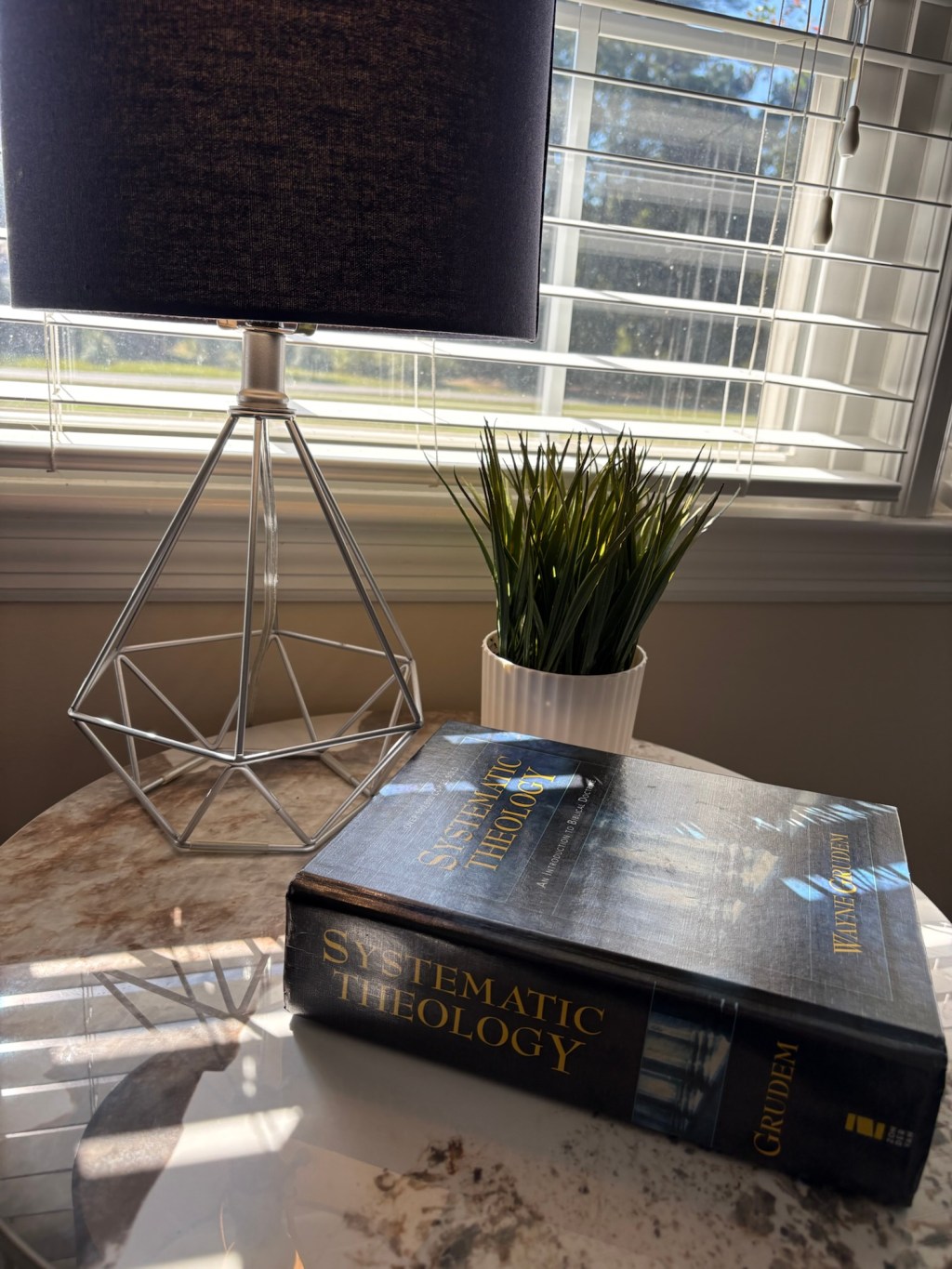
Dr. Wayne Grudem defines sin as “any failure to conform to the moral law of God in act, attitude, or nature.” In Hebrews 3 we can see the spiraling effect of sin: it’s deceptive (3:13), it starts in the heart, it turns people away from the living God (3:12), and the sin of unbelief has serious consequences (3:17-19). This is different from wrestling with doubt (“I believe; help my unbelief” Mark 9:24). It’s a warning to the one who refuses to trust God and turns away from Him in unbelief.
Why did understanding sin matter to these Christians?
These Hebrew Christians were facing deeply adverse circumstances. They may have even felt like they were wandering through their own modern day wilderness, isolated from life as they once knew it.
In our Bible study, one of the women made the keen observation that just as the Israelites looked back longingly to the familiar things they had in Egypt, these Christians may have been looking back on the familiar and accepted way of life they had in Judaism. Now facing persecution because of their new faith, they may have longed to conform to what used to be. When believing became costly, they may have been tempted to turn to what was familiar.
The reminder of Israel’s sin of hard-hearted unbelief is intended to be like their amber, blinking check engine light, almost as if to say, “In your suffering, are you going to turn away or will you take hold of Christ and persevere?”
Additionally, the author gives these brothers and sisters in the faith the exhortation to encourage one another daily so that history doesn’t repeat itself- so that none of them is hardened by sin’s deception.
Why does understanding sin matter for us today?
- The Hebrews’ warning is still one for us to heed today. Though our suffering may look very different, we still face the question about where we’ll place our trust. Will we choose to distrust God, following sin’s spiraling and devastating effects or will we choose to believe and follow Him.
- Additionally, verse 13 reminds us of one of the ways God helps us persevere- through active engagement with the local church and with Christian community! We need fellow believers to remind us of God’s truth when we struggle to believe it and point us back to Christ when we are tempted to compromise. We have the privilege of giving and receiving this encouragement.
After living out my first grade dreams of being a bus driver, my affections for our small version of a bus dwindled. We heeded the warnings, disclosed its issues on Facebook Marketplace and sold it to a mechanic who actually wanted it.
We moved on to the greener pastures of the Honda Odyssey. And guess what?! Its check engine light comes on sporadically!!! Ha! Warning to heed? Or faulty sensor? Time will tell!








Leave a Reply